Cozumel is something just out of this world when it comes to celebrations. So if you are going to go, here you will find some information about the popular parties there, and if you are deciding on where to go, here you will find a few lines to help decide and participate in the popular celebrations in Cozumel. There are three main celebrations in this gorgeous spot: The Fiesta de las Cruces, the celebrations to honor the saints St Pedro and St Pablo, and the carnival of Cozumel.
The Fiesta de las Cruces is celebrated on the 3rd of May. The festival has its roots in Roman pagan traditions, but it is also believed that it is related to the cross of Jesus that, in a vision, helped Constantine I to win a battle that seemed impossible. In the country of Mexico, the Fiesta de las Cruces began to be celebrated by the end of the 16th century, when Juan de Grijalva, a captain, named the island -now known as Cozumel- Isla de la Santa Cruz. The sectors of society that mostly take part in this festival are those related to constructions and some guilds. This is reflected in the places where there is a building under construction: A cross with flowers and colored papers is placed in a high position in the place. Usually, people celebrate the Fiesta de las Cruces preparing local dishes and drinking typical alcoholic beverages, such as tequila, mezcal or home made beer.
The celebrations on the name of Saint Pedro and Saint Pablo are joint, and they commemorate the martyrdom suffered by the apostles in Rome. This celebration takes place on the 29th of June. People go to the streets and there are large processions where the images of the saints are displayed. The masses are dedicated to both Saint Pedro and Saint Pablo, and people in Cozumel pray on their names asking for miracles, good luck and health. The most interesting part of this celebration is, as we said before, the processions held on the streets, which everybody can join and sing as they walk by.
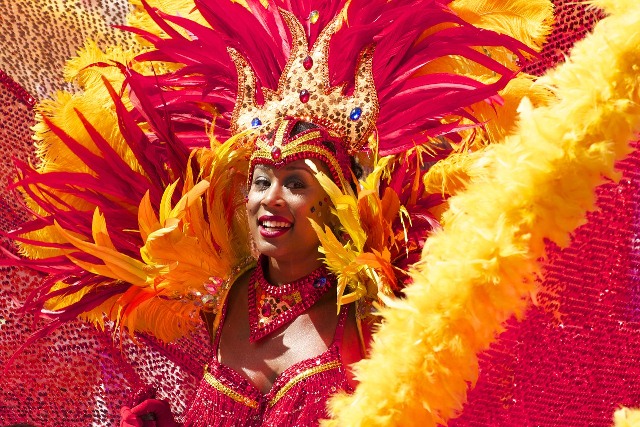
The carnival in Cozumel is the most beautiful tradition of the island. Its main aim is to celebrate the different cultures that arrived at the city during the cold winter season. The carnival began around the year 1800, with people dressing with special multi colored clothes, getting together in groups named comparsas or estudiantinas and going to the streets to dance and sing. Today, the celebrations last for 4 days, and people go to the streets to attend the vibrant and lively parades. The costumes are as different as the people who wear them, and the comparsas are truly a show in which their integrators put a lot of effort. The parade is actually a competition. Each group of people in a comparsa has around 40 people, and they spend the whole year preparing for this carnival, building a carriage, preparing the costumes, making up a song, and rehersing a choreography. All the same, the competition is always on good terms, but it is taken very seriously by its participants. It is a true party!
Enjoy the most popular celebrations in Cozumel and follow the caribbean’s rhythm!