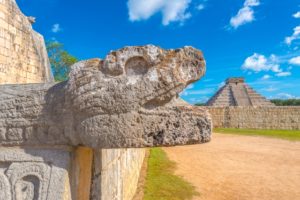
Discover Tulum: A Maya Heritage Site Set Between Sky and Sea
In the shade of the palm trees, with the deep blue of Cancún’s Caribbean coast as a backdrop, the ruins of Tulum rise as a monument to the remarkable Maya civilization. Picture yourself strolling through this ancient settlement, which centuries ago pulsed as an important cultural and commercial hub. Between the 13th and 15th centuries, Tulum—originally called Zamá—stood out as one of the region’s main ports, linking maritime and overland trade routes, where valuable goods such as jade and obsidian were traded ceaselessly.
With attractions that fascinate travelers from around the world, Tulum is not only a place to appreciate the rich Maya heritage, but also a place where splendid architecture blends with the local biodiversity. Impressive structures such as El Castillo and the Temple of the Frescoes bear witness to the architectural style characteristic of the coast. The preservation of these buildings over the years is a testament to the ingenuity and skill of a people who knew how to combine beauty and function.
A Doorway to Maya History
Visiting the ruins of Tulum is like leafing through a book of memories. Every stone and every mural records not only the everyday lives of the Maya, but also their deep beliefs and sacred rituals. The Temple of the Frescoes, with its vibrant illustrations, not only honored deities but also served as a strategic lookout point, showing the link between security and spirituality. The name Zamá, which means “dawn,” seems fitting for a place that offers an awakening to the historical past.
Tulum’s Vital Role in Maya Society
During the Postclassic period of the Maya civilization, Tulum not only developed as an urban center but also became a crucial hub for trade in the region. Even after the arrival of the Spanish conquistadors in the 16th century, Tulum retained a certain commercial relevance. Although its population declined over time and the city was eventually abandoned, the Maya kept returning to the site, continuing ritual practices and maintaining a spiritual connection with their history.
Today, the ruins of Tulum are more than relics of a distant past. They hold invaluable cultural worth, weaving together history, architecture and the dazzling Caribbean landscape. Every element, from the majestic cliffs that meet the sea to the echoes of ancient ceremonies, adds up to a rich narrative that spans centuries.
Archaeological Advances and Expanding Knowledge
Research carried out in the area has revealed signs of human presence predating the Maya civilization, mainly in caves and cenotes in the surrounding area. These archaeological discoveries show that the region has been occupied for millennia, cementing Tulum as one of the most significant places for the study of Maya history and culture. Each new excavation not only enriches existing knowledge but also recovers forgotten stories, making a visit to Tulum much more than a simple outing—it is a true journey back in time.
Summary
The ruins of Tulum are an irresistible invitation to uncover the deep stories of the Maya civilization. By exploring this sacred space, you not only connect with the past, you also relive the essence of a people who, even in the face of hardship, managed to thrive. If you’re looking for a rich and educational experience on your next visit to Cancún, don’t miss Tulum—the jewel of Maya architecture on the edge of the Caribbean. In doing so, you help preserve the legacy of one of history’s most intriguing peoples. Don’t miss the chance to discover the magic this wonder has to offer.
Frequently Asked Questions about Tulum
1. What are the opening hours of the Tulum ruins?
The Tulum ruins are open for daily visits, generally from 8 a.m. to 5 p.m. Arriving early is advisable to avoid the crowds and make the most of your visit.
2. Is there an entrance fee to visit Tulum?
Yes, there is a fee to enter the ruins. Prices may vary for adults, students and children, so it’s best to check the most up-to-date information before your visit.
3. Is swimming allowed at the beaches in Tulum?
Yes, there are magnificent beaches near the ruins where you can swim, which perfectly complements the historical visit.
4. What should I wear when visiting the ruins?
It’s best to opt for light, comfortable clothing and to wear sunscreen, since the visit takes place outdoors for quite a while.
5. What are the best times of year to visit Tulum?
The best times to visit Tulum are spring and fall, when the weather is mild and there are fewer tourists.
6. Are guides available at the Tulum ruins?
Yes, tour guides are available on site and offer informative, enriching tours that add value to your visit.
Versión en español: Redescubriendo Tulum: La Fascinación de la Civilización Maya · Versão em português: Redescobrindo Tulum: A Fascinação da Civilização Maia